Shakshuka: A Spiced Tomato and Egg Skillet Recipe for Suhoor
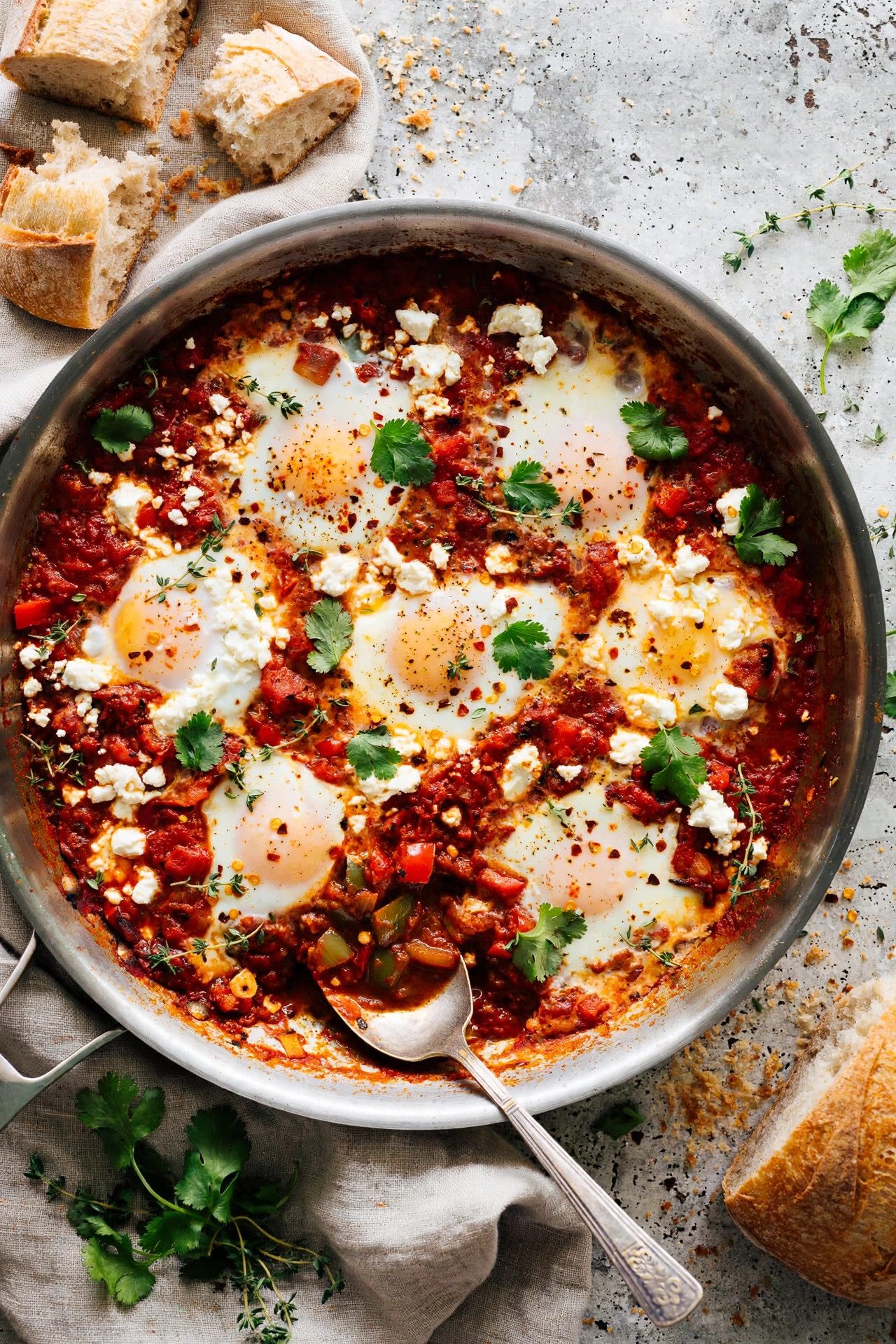
Some time before dawn, in kitchens from Tunis to Amman, a skillet goes on the stove and eggs are cracked into a sauce of tomatoes, peppers and cumin. That is shakshuka — its name, from the Arabic, means something like "all mixed up" — and as a suhoor it is nearly perfect engineering: eggs for protein, a sauce with body, bread for ballast, and flavours strong enough to make a meal eaten half-asleep feel like an occasion rather than an obligation.
The sauce is the soul of it. Onion and pepper go soft and sweet, tomato paste and smoked paprika cook down dark and concentrated, and the crushed tomatoes simmer just long enough to taste like they have been on the stove for hours. Then the eggs poach directly in it — finished in the oven in this version, which sets the whites evenly without the condensation a lid drips back — until the yolks are just trembling. Feta over the top is the modern café touch, salty against the sweet sauce, and it can step aside for olives if you keep it dairy- free. Cook the sauce the night before, after iftar, and suhoor becomes a ten-minute reheating and egg-cracking exercise. That is the kind of recipe a fasting month runs on.
Ingredients
- 2 tbsp olive oil
- 1 large yellow onion, chopped
- 1 large red bell pepper, chopped
- 1/4 tsp fine sea salt, plus more to taste
- 3 cloves garlic, pressed or minced
- 2 tbsp tomato paste
- 1 tsp ground cumin
- 1/2 tsp smoked paprika
- 1/4 tsp red pepper flakes, or to taste
- 1 large can (800 g / 28 oz) crushed tomatoes, preferably fire-roasted
- 2 tbsp chopped fresh cilantro or flat-leaf parsley, plus more to serve
- Freshly ground black pepper, to taste
- 6 large eggs
- 1/2 cup crumbled feta, to finish
- Crusty bread or warm pita, to serve
Method
- Heat the oven to 190°C (375°F). Warm the olive oil in a large oven-safe skillet over medium heat. Add the onion, bell pepper and salt and cook, stirring often, for 4–6 minutes, until the onion is tender and translucent.
- Add the garlic, tomato paste, cumin, smoked paprika and red pepper flakes. Cook, stirring constantly, for 1–2 minutes, until deeply fragrant.
- Pour in the crushed tomatoes with their juices and stir in the cilantro or parsley. Bring to a gentle simmer and cook for 5 minutes, until the sauce has thickened slightly. Season to taste.
- Turn off the heat. Make a small well in the sauce with the back of a spoon and crack in an egg; repeat around the pan with the remaining eggs, spooning a little sauce over the whites. Season the eggs lightly.
- Transfer the skillet to the oven and bake for 8–12 minutes, checking from 8 minutes, until the whites are opaque and set but the yolks still tremble when the pan is gently shaken — they will keep cooking in the hot sauce.
- Scatter with the feta and extra herbs and serve at once, in the pan, with crusty bread or warm pita for the sauce.
Rule source: Qur'an 2:187 — 'eat and drink until the white thread of dawn becomes distinct to you from the black thread; then complete the fast until nightfall.' Suhoor is the pre-dawn meal eaten before the fast begins; eggs are its classic protein, chosen to sustain the day. No ingredient restrictions apply beyond the standing halal rules.
Notes
- Make the sauce ahead. The tomato base keeps 3 days in the fridge. At suhoor, reheat to a simmer, crack in the eggs, and the dish is 10 minutes away.
- Judging the eggs. Pull the pan when the whites are opaque but the yolks still jiggle — the sauce's residual heat finishes them on the way to the table. Firm-yolk people should add 2–3 minutes.
- Dairy-free or vegan turns. Skip the feta and scatter halved Kalamata olives for the same salty punch. For a vegan suhoor, stir a drained can of chickpeas into the sauce instead of the eggs.
- Pan choice. A well-seasoned cast iron works, but a stainless or enamelled skillet is kinder to a long-simmered tomato sauce and won't lend it a metallic edge.
- Half batch. For two, halve everything, use a 400 g can of tomatoes and a medium pan — suhoor for a quiet house.
Frequently asked questions
When is shakshuka eaten during Ramadan?
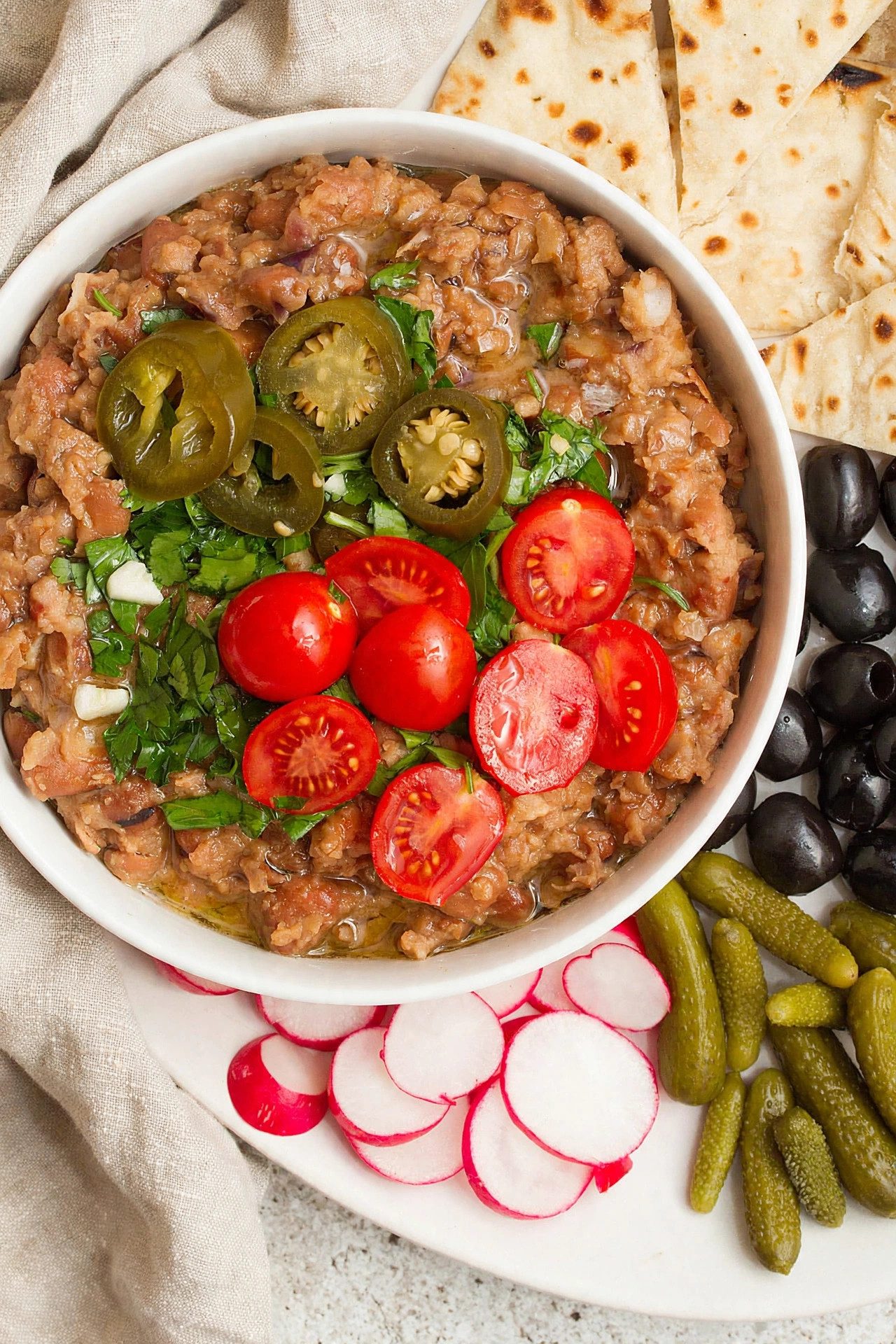
At suhoor, the pre-dawn meal — it is eaten before the fast begins at dawn, for the same reason foul is: eggs and sauce give the day a protein foundation.
Is shakshuka halal?
Yes — eggs, vegetables, olive oil and feta, with no meat, pork or alcohol anywhere in the dish.
Why bake the eggs instead of covering the pan?
A lid drips condensation back into the sauce and sets the whites unevenly. The oven's even heat poaches the eggs cleanly in 8–12 minutes — the trick that makes this version foolproof. ---