What Is Diwali? The Festival of Lights, Explained Day by Day
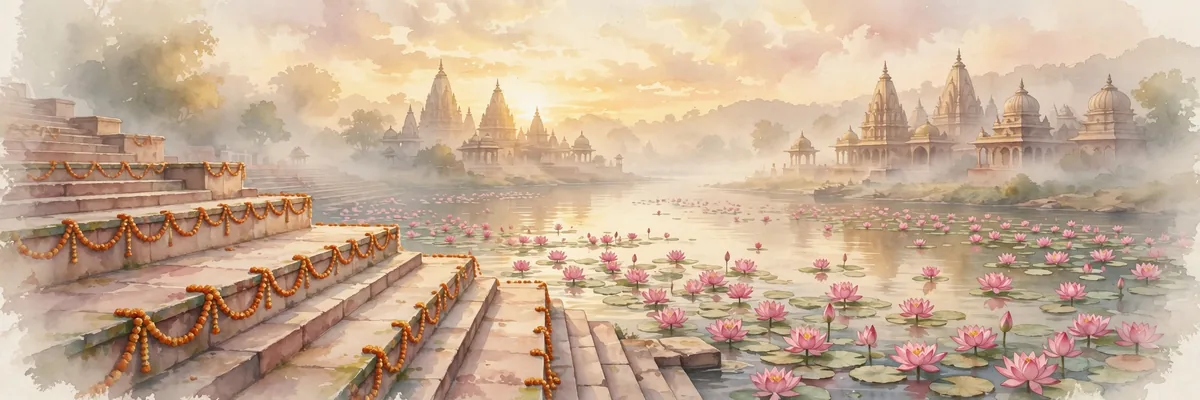
It is the festival most people can picture before they can explain it: rows of small clay lamps glowing in windows, colours across doorsteps, fireworks over rooftops, and sweets changing hands everywhere. But what is Diwali, really — what is being celebrated, and why does it last five days? Here is the festival explained in order, the way families who celebrate it would walk you through it.
The short answer
Diwali, also written Deepavali — from words meaning a row of lights — is a major festival centred on light overcoming darkness and good overcoming evil. It is most widely celebrated by Hindus and is also observed, for their own reasons, by Jains, Sikhs, and some Buddhists, which we will come to below. It falls in autumn, in the Hindu month of Kartik, usually in October or November, with the main day on the darkest night of that lunar month — a new moon night lit up by thousands of lamps.
The five days of Diwali
Diwali is not one day but a sequence of five, each with its own name, mood, and customs. The details vary by region and family, but this is the order most widely followed in northern India, with variations elsewhere.
Day one: Dhanteras
The festival opens with Dhanteras, a day associated with health, wealth, and new beginnings. Families clean and prepare their homes in earnest, light the first lamps, and traditionally buy something new — often gold, silver, or a new utensil for the kitchen — as an auspicious start to the festival and the year ahead.
Day two: Naraka Chaturdashi, or Choti Diwali
The second day is Naraka Chaturdashi, often called Choti Diwali, meaning "little Diwali." It is linked to the story of Krishna defeating the demon Narakasura, told below. Many people take a ritual bath before dawn, light lamps in the evening as a rehearsal for the main day, and begin the visits and sweet exchanges in earnest.
Day three: Diwali and Lakshmi Puja
The third day is Diwali itself, the darkest night of the month and the brightest of the year. Homes are outlined with diyas — small oil lamps, traditionally clay — candles, and strings of lights. In the evening, families gather for Lakshmi Puja, prayers offered to Lakshmi, the goddess of wealth and prosperity, and often to Ganesha, the remover of obstacles, asking for a good year. New account books are opened by many businesses after the puja, and the night fills with feasting, gifts, and fireworks.
Day four: Govardhan Puja
The fourth day is Govardhan Puja, which honours Krishna and the story of his lifting Govardhan Hill to shelter villagers from a storm sent by the rain god Indra. In many temples and homes, food is piled into a small mountain — an annakut, literally a mountain of food — and offered in thanksgiving. In parts of western India this day also begins the new year.
Day five: Bhai Dooj
The festival closes with Bhai Dooj, a day for the bond between brothers and sisters. Sisters perform a small ceremony for their brothers, marking their foreheads and praying for their wellbeing, and brothers give gifts in return. After five days of lamps, business, and gods, the festival ends, fittingly, with family.
The stories behind the lights
Ask why the lamps are lit and you will hear more than one story, because Diwali gathers several beloved narratives into a single festival.
The best known comes from the Ramayana. Prince Rama, exiled from his kingdom for fourteen years with his wife Sita and his brother Lakshmana, defeats the demon king Ravana, who had abducted Sita. When Rama finally returns home to Ayodhya, the story tells, the people line the streets and windows with rows of lamps to light his way back — and the festival's lamps still greet that homecoming every year.
A second story belongs to Krishna and the demon Narakasura, whose defeat is remembered on the festival's second day: a cruel king is overthrown, his prisoners are freed, and the morning of liberation is celebrated before dawn.
A third thread follows Lakshmi herself. Her puja on the main night asks for prosperity and wellbeing in the new year, and the spotless, brightly lit home is itself part of the telling — the goddess, families say, visits homes that are clean, welcoming, and full of light.
One festival, several faiths
Because Diwali sits at the meeting point of several traditions, neighbours celebrating the same week may be marking different events, and it is worth knowing each in its own terms.
For Jains, this is the anniversary of Mahavira, the twenty-fourth Tirthankara, attaining nirvana — final liberation — and lamps are lit in honour of his light of knowledge; Jain temples hold special observances and the Jain new year begins around this time.
For Sikhs, the festival coincides with Bandi Chhor Divas, the "Day of Liberation," remembering Guru Hargobind, the sixth Guru, who was released from imprisonment and secured the release of fifty-two princes held with him. Gurdwaras are illuminated, and the Golden Temple in Amritsar glows with lamps and fireworks.
Some Buddhists, particularly Newar Buddhists in Nepal, also celebrate during this season with their own observances. Each community keeps its own meaning; the shared language is light.
How Diwali looks and tastes
A few sights tell you the festival has arrived. Diyas flicker on windowsills and temple steps. Rangoli — patterns made at entrances from coloured powder, rice, or flower petals — welcome guests and good fortune. Doorways are hung with marigolds, and new clothes come out for the main evening.
The food is its own celebration: trays of mithai, Indian sweets such as laddoos and barfi, shared with neighbours and carried as gifts from house to house, alongside savoury snacks made for everyone who visits.
Fireworks light up the main night in many places. It is fair to add the note families themselves increasingly make: celebrations are at their best when they keep neighbours, animals, and the air in mind, and many communities are choosing quieter fireworks, shorter displays, or lamp-lit celebrations instead — a modern conversation happening inside a very old festival.
If you are learning about Hindu festivals as part of a wider journey through the world's faiths, Faith Map's Hinduism lessons are free to read and a friendly place to keep going after this introduction.
Saying it right
The greeting is simple: "Happy Diwali." Some people add a wish for the new year, since Diwali also marks a new beginning in several regional calendars. If you are visiting a home during the festival, sweets are a welcome gift, shoes come off at the door, and admiring the rangoli out loud will make your hosts' day.
However you meet it — as your own festival, a neighbour's invitation, or a traveller's bright detour — Diwali's meaning is carried in its simplest gesture. A small lamp, lit on the darkest night of the month, in the faith that the light is worth tending. Your faith is beautiful, and so is your neighbour's.
Frequently asked questions
When is Diwali celebrated?
Diwali falls in the Hindu lunar month of Kartik, usually in October or November, with the main day on the new moon night; the festival runs for five days, and exact dates shift each year because the calendar is lunar.
Why are lamps lit during Diwali?
The lamps, called diyas, symbolise light overcoming darkness and good overcoming evil; in the best-known story they were lit to welcome Rama home to Ayodhya after his exile and victory, and they are also said to welcome Lakshmi into a bright, clean home.
Is Diwali only a Hindu festival?
No. Diwali is most widely a Hindu festival, but Jains mark Mahavira's nirvana at this time, Sikhs celebrate Bandi Chhor Divas, the release of Guru Hargobind, and some Buddhists, especially in Nepal, keep their own observances in the same season.